
Libraries have long been the bedrock of educational institutions, offering students access to knowledge and fostering a culture of lifelong learning. The importance of school libraries cannot be overstated as they continue to evolve with technological advances and changing educational needs. In this article, we explore the pivotal role that schools like Washington School Libraries play in education today.
The Evolving Landscape of School Libraries
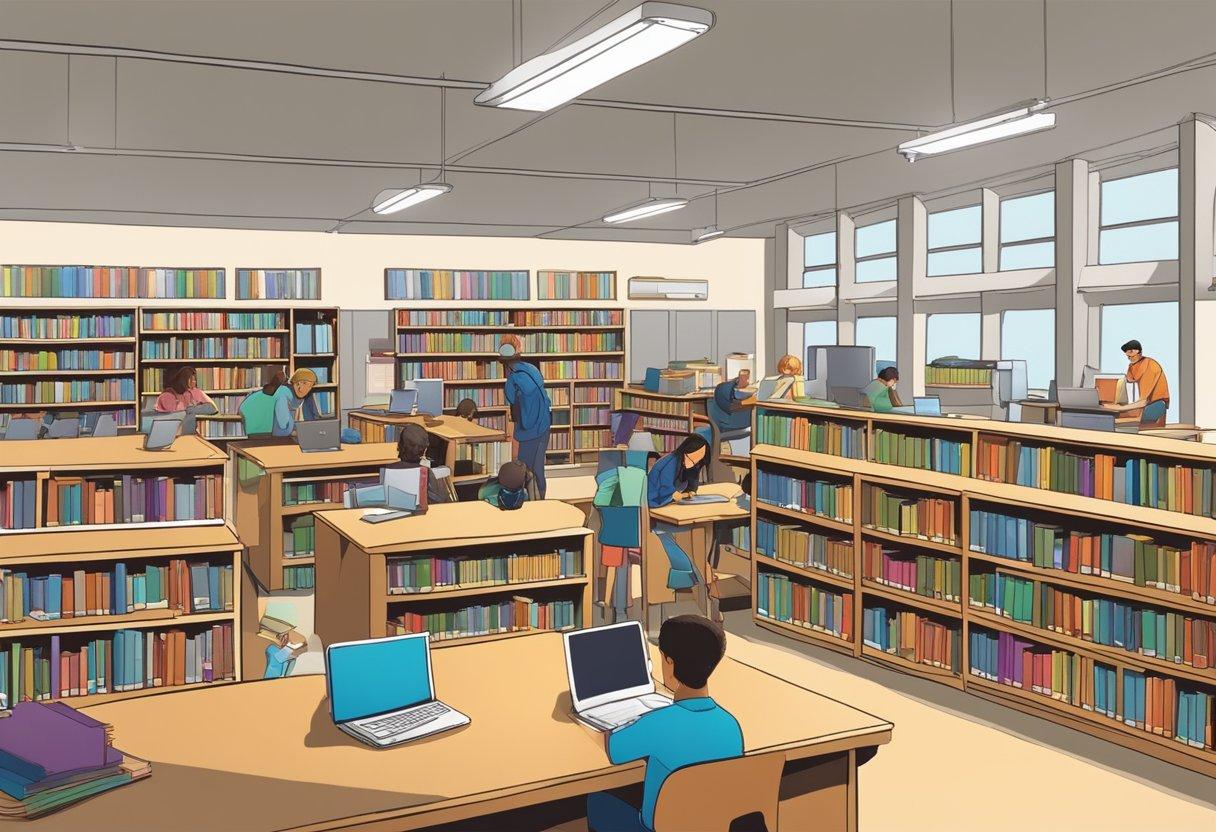
Gone are the days when school libraries were just quiet spaces filled with books. Modern school libraries, such as those at Vernon Monticello Middle School and Longview Pioneer Middle School, have transitioned into dynamic media centers. These centers do not just house print resources; they are hubs of digital information offering e-books, online databases, and multimedia content that cater to diverse learning needs and preferences.
Encouraging Critical Thinking and Research Skills
School libraries are instrumental in teaching students critical thinking and research skills. By providing access to a breadth of resources and teaching how to evaluate information critically, libraries like the Wenatchee St. Joseph School Library empower students to navigate the vast sea of information available to them, both online and offline.
Serving as Community Centers for Learning

School libraries serve as community hubs where students collaborate, share ideas, and engage in learning beyond the classroom. They provide a venue for book clubs, study groups, and educational events, all of which contribute to building a strong community focused on academic and personal growth.
The Impact on Student Success
The presence of well-equipped school libraries is linked to enhanced student performance. Schools with strong library programs and qualified librarians see higher graduation rates and improved reading scores. Librarians play a crucial role in curriculum support and personalized learning, guiding students through their educational journey.
Technology Integration in School Libraries
Keeping up with the digital revolution, school libraries provide students with access to computers, the internet, and a range of digital tools. This integration of technology ensures that students are adept at using the digital resources essential for succeeding in the 21st century.
Championing Literacy and Lifelong Learning
At their core, school libraries are champions of literacy. They provide students with a wide variety of reading materials that cater to diverse interests, encouraging reading for both knowledge and pleasure. Promoting literacy is a critical step in creating lifelong learners who will carry their love of books and learning into adulthood.
Fueling Curiosity Through Diverse Collections
The curated collections found in school libraries play a significant role in introducing students to a world of diverse perspectives. Through novels, biographies, historical texts, and modern multimedia, students are encouraged to explore various topics and cultures, fueling their curiosity and broadening their understanding of the world.
The Unseen Value of Libraries in Education
While the impact of school libraries on academic achievement is evident, their contribution to the social and emotional well-being of students is also substantial. Libraries offer a safe and nurturing environment where all students, regardless of background, can find resources that reflect their experiences and inspire their aspirations.
Linking Education and Travel: A Journey Beyond Books
School libraries are not just confined to the four walls of a building—they can be the starting point for journeys that extend far beyond. Through literature and digital media, students travel across the globe, visit ancient civilizations, dive into the depths of the ocean, and gaze into the vastness of space. Libraries instill a sense of adventure and curiosity that leads to real-world exploration and travel, proving once again that the quest for knowledge is a journey without end.