The Foundation of Information Literacy in Colorado

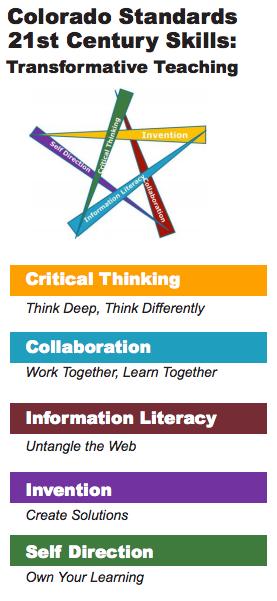
In the digital age, the ability to access, evaluate, and use information effectively is paramount. Colorado has recognized this imperative by establishing the Colorado Information Literacy Standards, which serve as a critical framework for developing essential skills in information literacy. These standards aim to equip students with the knowledge needed to be discerning researchers and informed citizens in an era overflowing with data.
Essential Skills for Information Literacy in Colorado
The Colorado Information Literacy Standards identify key competencies such as understanding research strategies, evaluating information sources for credibility, understanding ethical use of information, and the ability to incorporate new information into one's existing knowledge base. These skills are not only vital for academic success, but also for the workforce and personal, day-to-day decision-making.
Emphasizing Information Literacy in Washington

In Washington, the collaboration between the Washington Library Media Association and the Office of the Superintendent of Public Instruction underscores a joint effort to enhance information literacy amongst students. This partnership focuses on developing a curriculum that supports critical thinking, effective communication, and the lifelong learning skills necessary in an interconnected world.
Incorporating Information Literacy into Everyday Learning
Information literacy is deeply woven into the Washington education system, with an understanding that these competencies must be integrated across all subject areas. By teaching students how to assess the accuracy, perspective, credibility, and relevance of information, Washington aims to produce a generation of informed individuals who can thrive amidst the complexities of the modern information landscape.
Rhode Island's Approach to Information Literacy
Rhode Island recognizes the importance of information literacy as a fundamental component for success in both academic and professional arenas. The state promotes an educational approach that encourages students to engage with information critically and reflectively, acknowledging the diverse channels through which information can be consumed in today's society.
A Curriculum Centered Around Critical Engagement
Rhode Island's curriculum development efforts focus on nurturing the ability to ask pertinent questions, recognize bias, construct arguments, and synthesize information from a variety of sources. In doing so, the state supports the creation of independent thinkers capable of navigating the deluge of digital information.
The Role of Information Literacy in Society
Across the U.S., states like Colorado, Washington, and Rhode Island are pioneering standards and practices to enhance the information literacy of their citizens. By fostering these competencies from an early age, individuals are better equipped to participate in a democratic society, contribute meaningfully to the economy, and navigate the challenges of an ever-evolving digital world.
The Intersection of Information Literacy and Travel
As information literacy becomes a cornerstone of education in various states, its relevance extends beyond academics and professional life, spilling into areas such as travel. In today's travel landscape, the ability to locate, evaluate, and utilize information effectively can considerably enrich travel experiences. Whether assessing the credibility of a travel blog, identifying accurate historical information about a landmark, or evaluating the reliability of online travel reviews, information literacy skills are indispensable for the modern traveler. Thus, as individuals from states with strong information literacy standards explore the world, they carry with them the tools to make informed and rewarding travel decisions.