Introduction
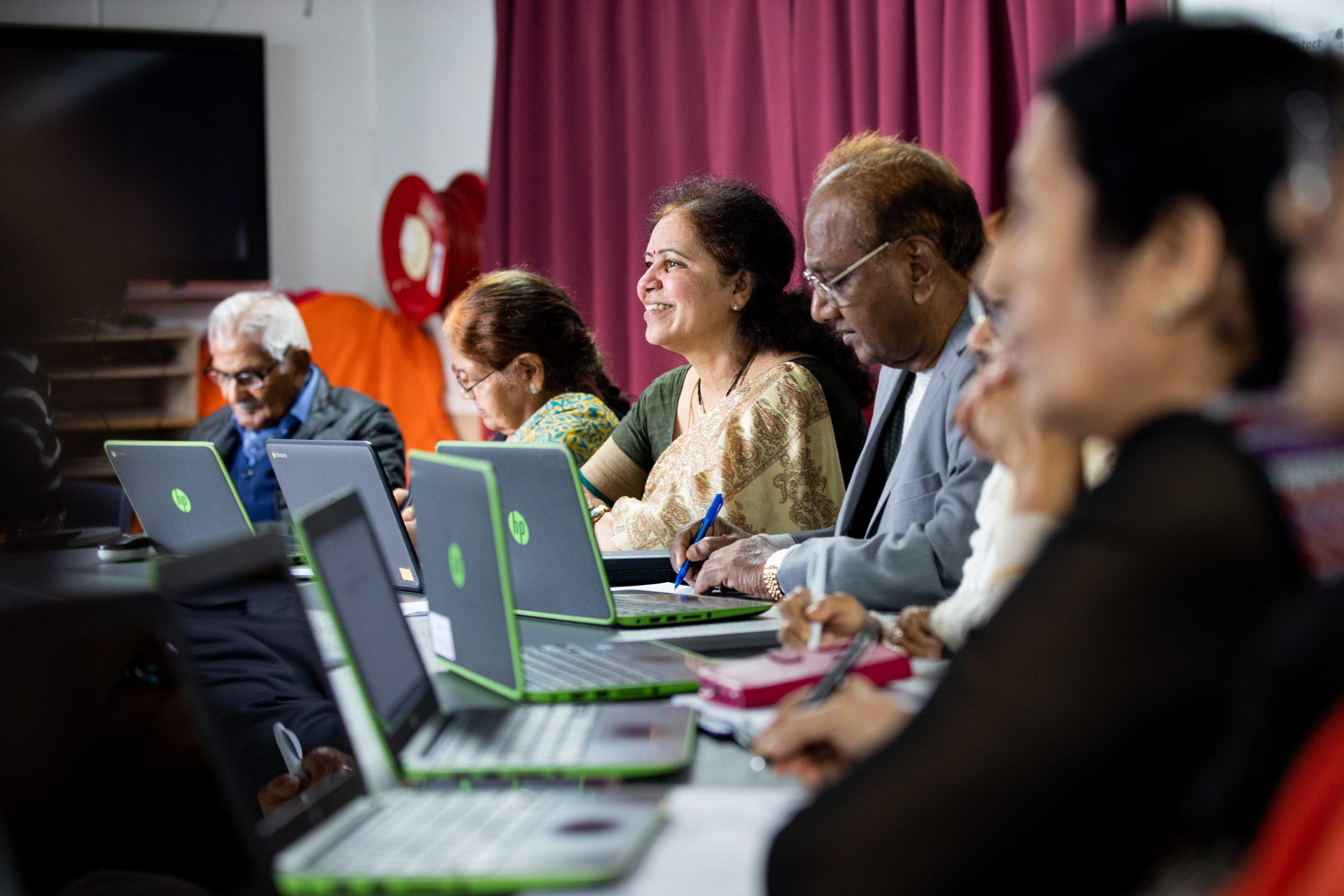
In an era where information is abundant and technology is pervasive, information literacy has become a foundational skill for academic success and informed citizenship. Information literacy refers to the ability to locate, evaluate, and use information effectively — skills that are crucial not just for academic research, but for navigating the complexities of the modern world. This article outlines the essential skills for information literacy, structured to provide educators and students with a framework for developing these critical capabilities.
Guiding Principles
Before diving into the skills themselves, it's important to understand the educational ethos behind the push for enhanced information literacy. Rooted in the mission of empowering students and staff to be effective users of ideas and information, the guiding principles align with broader educational goals such as critical thinking, problem-solving, and responsible communication across various platforms.
Essential Skills for Information Literacy – Overview

Information literacy is not just about accessing information; it encompasses the discernment and application of information to create informed opinions, solve problems, and make decisions. To facilitate these outcomes, we identify the overarching components of information literacy:
- Recognizing a Need for Information: Understanding when information is required to address a question or gap in knowledge.
- Constructing Strategies for Locating Information: Developing systematic approaches to find the needed information.
- Locating and Accessing Information: Utilizing various tools and resources to gather relevant information.
- Evaluating and Extracting Information: Critically assessing the information and extracting pertinent data.
- Organizing and Applying Information: Structuring the information cohesively and applying it effectively to the task at hand.
- Evaluating Information Process and Product: Reviewing the processes used to find and use information and the quality of the end product.
Essential Skills and Components with Benchmarks
Developed with benchmarks geared towards different educational stages, these skills and components showcase the developmental nature of information literacy. From grades 4 to 10, the benchmarks illustrate a growing complexity in skills acquisition, aligning with the corresponding cognitive and analytical abilities of students.

Central to fostering these skills is the concept that information literacy is not necessarily a linear process. Students may need to move back and forth between stages, re-evaluating their strategies and understanding as new information comes to light. Moreover, these skills prove invaluable beyond academic contexts, equipping learners with the ability to analyze a variety of everyday information sources critically.
The Essential Information Skills Curriculum Committee
Due acknowledgment is given to the committee responsible for revising and developing the framework for information literacy skills in education. Their contribution ensures that these skills are embedded in the curriculum and taught collaboratively across disciplines.
Applying Information Literacy Skills in Everyday Life and Travel
As integral as these skills are in academic contexts, information literacy is equally crucial in everyday scenarios such as travel. The same processes of identifying information needs, locating relevant resources, evaluating information credibility, and making informed decisions are used when planning a trip. This could range from researching destinations, understanding cultural norms, assessing travel warnings, or finding accommodations. Thus, robust information literacy skills not only contribute to a learner's educational development but also to their ability to navigate the world at large with confidence and discernment.
Bucharest
Gennadi
Flagstaff
Niagara Falls
Marmaris
San Jose (San Jose)
Puerto del Carmen (Lanzarote)
Nashville
Side
Banff
Protaras
Playa del Carmen
Manchester
- Stock Exchange Hotel Manchester
- The Lowry Hotel
- Spa Near Manchester
- Luxury Spa Manchester
- Boutique Hotel Manchester
Sydney
- Pullman Sydney Olympic Park
- Meriton Bondi
- Cool Hotels Sydney
- 5 Star Hotels Sydney
- Best Luxury Hotels In Sydney
- Spa Retreat Sydney
Edinburgh
Cancun
Chicago
San Diego
Denver
Albufeira
London
- Conrad St James
- Canary Wharf Spa Hotel
- Funky Hotels London
- Luxury Family Friendly Hotels London
- 5 Star Hotels In Kings Cross
Bath
Melbourne
- Novotel Melbourne On Collins
- 5 Star Hotel Deals Melbourne
- Melbourne Boutique Hotels
- Luxury Boutique Hotels Melbourne
- Melbourne Hotel With Spa