A Look Back at an Era of Unregulated Waste Practices
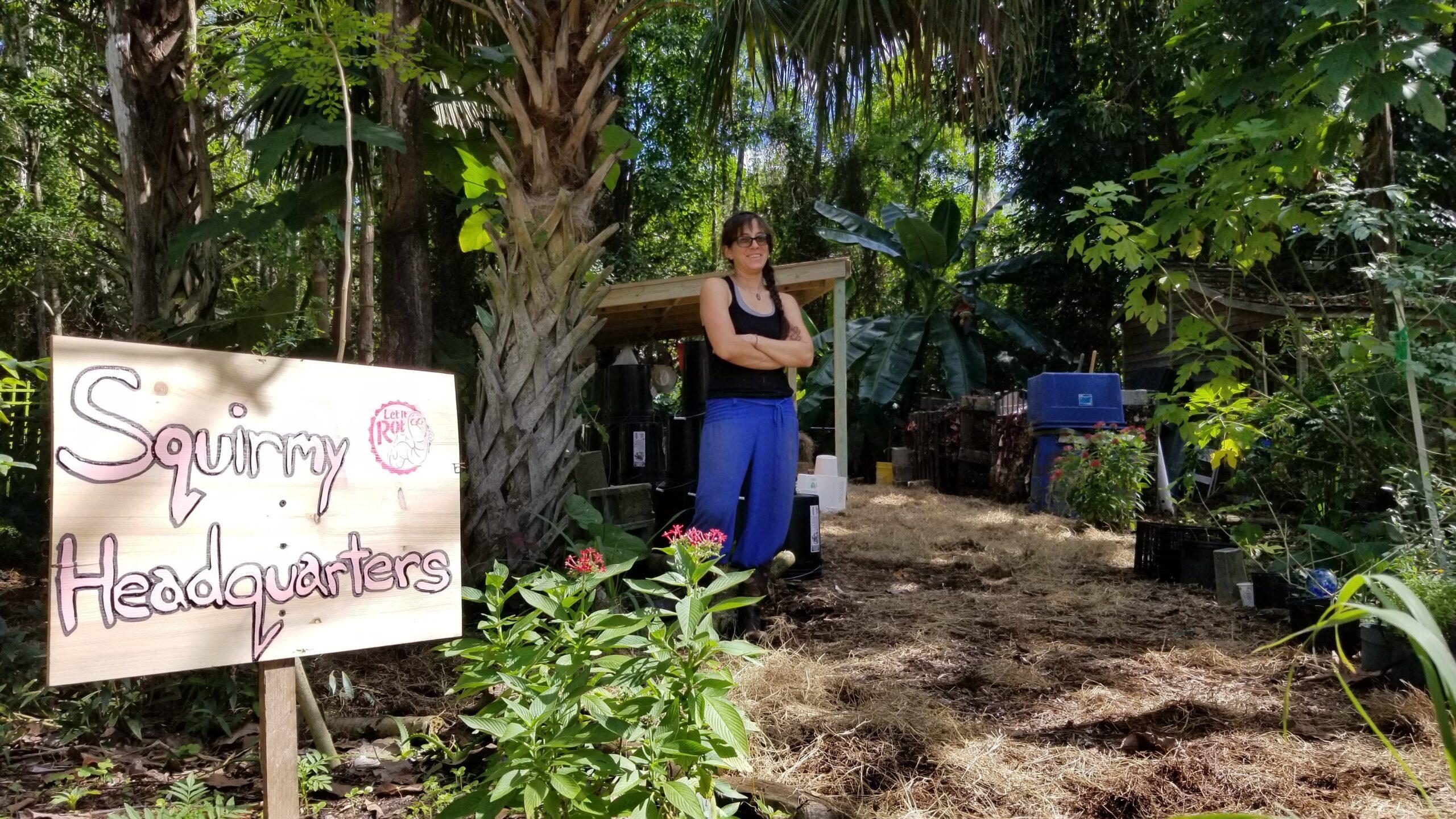
Backyard incineration, a once common practice, involved individuals burning household waste in their own backyards. This method was widely used due to its simplicity and the lack of municipal waste services. However, as environmental awareness has increased over the years, practices like these have become a symbol of a bygone era of unregulated waste disposal and a lack of understanding of its far-reaching impacts.
The Rise and Fall of Backyard Burning
The rise of backyard incineration coincided with the growth of suburbia and the increase in consumerism. With the boom in waste production, people turned to backyard burning as a quick fix to dispose of trash. Yet, the proliferation of this practice led to significant environmental and health concerns, which ultimately brought about its decline. Today, stricter regulations have been put in place to curtail such activities, steering the public towards more sustainable disposal methods.
Particulates and Pollution: The Trojan Horse of Backyard Incineration

Burning waste, especially plastics and other synthetic materials, releases harmful particulates and toxic pollutants into the air. These emissions contribute to air pollution, causing respiratory issues, and are detrimental to the overall health of ecosystems. In the days of uncontrolled backyard burning, individuals unwittingly contributed to a larger problem that would take decades to address and reverse.
From Smoke to Sustainability: The Transition to Modern Waste Management
The transition from backyard incineration to modern waste management reflects a broader shift towards sustainability. Communities have come to embrace recycling programs, composting, and responsible waste disposal methods. These efforts to reduce the carbon footprint of waste routinely divert tons of rubbish from landfills and prevent the release of noxious fumes into the atmosphere.
Advancements in Waste Disposal Technology
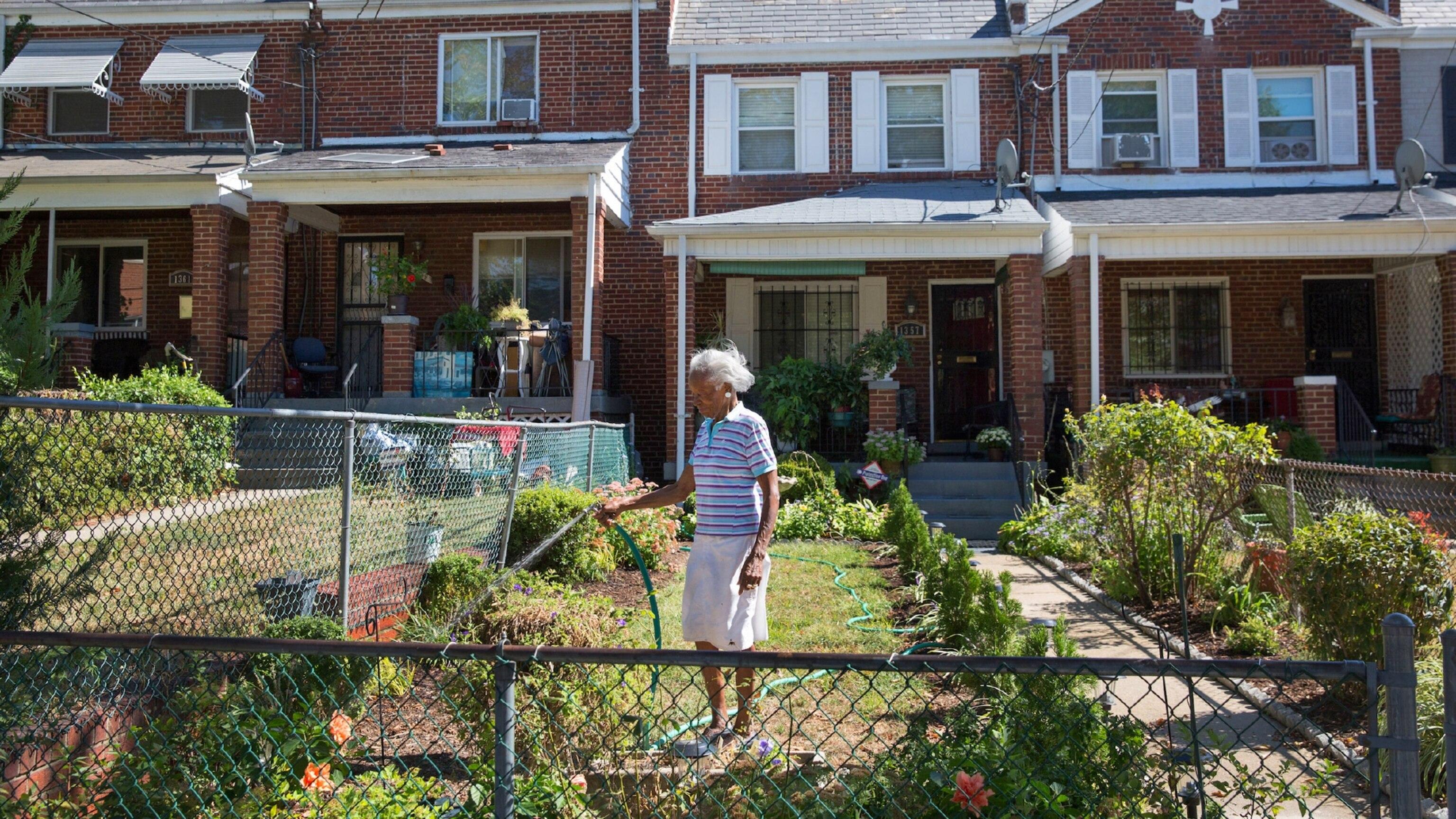
In contrast to the days of backyard incineration, current waste disposal technology emphasizes efficiency and the minimization of environmental impact. Waste-to-energy plants that employ stringent emission controls, rigorous recycling programs, and the push for biodegradable materials represent the forward-thinking approach to managing waste in the 21st century.
Reflections on the Environmental Legacy of Backyard Incineration
The environmental legacy of backyard incineration serves as a stark reminder of our evolving relationship with the planet. It underlines the importance of regulations, scientific advancements, and community actions in safeguarding the environment. Recognizing the unsustainability of past practices, society moves forward with greater awareness and a commitment to ecological responsibility.
Linking the Past to the Present: A Sustainable Journey
The narrative of backyard incineration maps a journey from destructive practices to an embrace of sustainability and environmental stewardship. This journey is akin to that of a traveler, who learns from the landscapes they traverse and evolves with every new experience. Just as travel enriches the soul and teaches respect for diverse cultures and environments, reflecting on the history of waste management enriches our understanding of sustainability and teaches respect for the ecological balance required to maintain a healthy planet.
Bucharest
Gennadi
Flagstaff
Niagara Falls
Marmaris
San Jose (San Jose)
Nashville
Side
Banff
Manchester
Playa del Carmen
Edinburgh
Sydney
- Pullman Sydney Olympic Park
- Boutique Hotels Darling Harbour
- Spa Retreats Sydney
- Best Luxury Hotel Sydney
Albufeira
Puerto del Carmen (Lanzarote)
Bath
Chicago
Paris
Hurghada
San Antonio
Denver
San Diego
Myrtle Beach
Cancun
Scottsdale
London
- London Hotels With Spa
- Boutique Notting Hill
- Hyde Park Luxury Apartments
- Five Star Hotels In East London