
Imagine a staircase that defies logic, winding endlessly upwards (or is it downwards?) without ever reaching a final destination. It's a structure that piques curiosity and challenges the boundaries of conventional architecture. This article will guide you through the steps to create your very own 'impossible staircase', inspired by the intriguing mind of Jon Ingold and the optical illusions that have fascinated mankind since the dawn of perception.
Understanding the Concept of the Impossible Staircase
The impossible staircase, often referred to as Escher's Staircase, is a visual paradox that seems to ascend and descend simultaneously in a continuous loop. Before diving into construction, it's important to understand the illusion it's based on. The key to the impossible staircase is perspective - the staircase is designed to be viewed from a specific angle where the mind perceives continuity in the ascending and descending flights.
The Foundations of Illusion
To build your own impossible staircase, you need to start with the basics. Sourcing materials like wood, cardboard, or foam board is the first step. Additionally, choosing the right location in your front yard can contribute to the overall effect. Opt for an area where you can control the viewpoint of the observer, as the illusion relies heavily on the angle of observation.
Step-by-Step Guide to Building Your Impossible Staircase
Step 1: Design Your Staircase
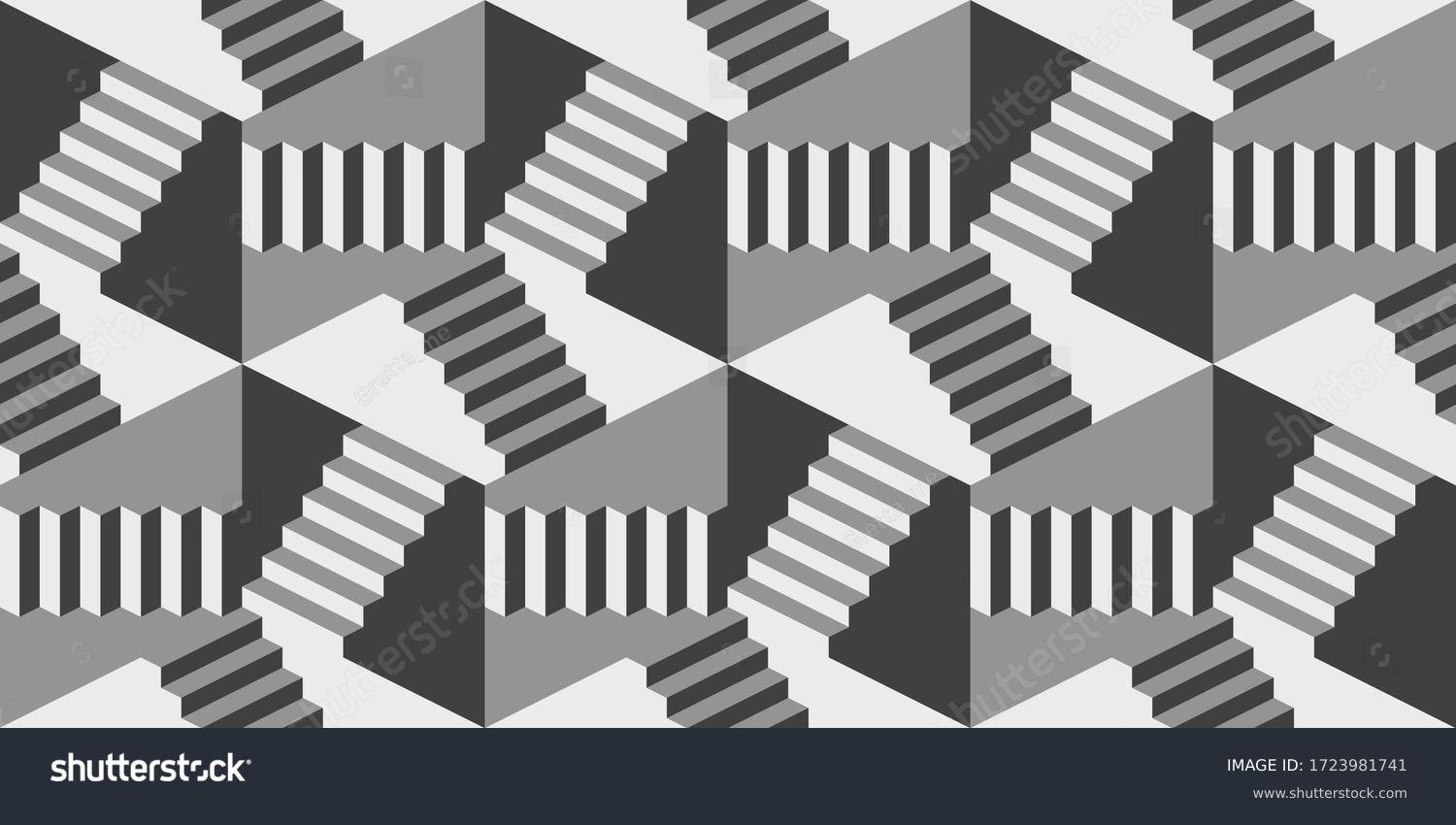
Begin by sketching out your design. Pay attention to the crucial intersections where the stairs will appear to overlap. It's helpful to refer to MC Escher's illustrations or other famous impossible figures for inspiration. Keep in mind the staircase is not meant to be used, but rather viewed, so functionality is not a concern.
Step 2: Construct the Individual Stairs
Cut out the individual stairs according to your design, ensuring that each piece is identical to maintain the illusion. Precision is paramount in this step – any inconsistency could break the illusion.
Step 3: Assemble the Stairs into Flights
Assemble your stairs into straight flights, remembering to leave gaps where they will "intersect." The spaces are crucial for creating the illusion that each flight passes behind another.
Step 4: Arrange the Flights to Form the Illusion
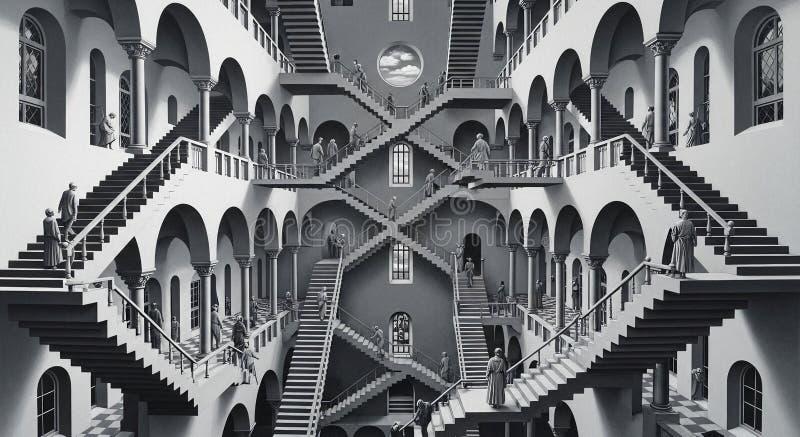
This is the most challenging and important step. Arrange your flights in a way that when viewed from the planned angle, they give the impression of a continuous loop. It may take several attempts to get this right, so be patient and tweak your arrangement until the desired effect is achieved.
Step 5: Apply Finishing Touches
Once the assembly of the impossible staircase looks right from the chosen perspective, apply paint or finishing touches to enhance its visual impact. The right shading can amplify the 3D effect, making your optical illusion even more convincing.
Tips for Perfecting Your Impossible Staircase
Correct Lighting is Key
Proper lighting can make or break your illusion. Position lights to avoid casting conflicting shadows that might reveal the trickery.
Photography Enhances the Illusion
Photographs can permanently capture the angle that perfectly portrays the impossible staircase. Sharing these images with others is a fantastic way to delight and confound them.
Incorporating Travel into the Impossible Staircase Experience
The idea of an impossible staircase in your front yard is not just an exercise in creativity; it's a symbol of the journeys we long to take, the destinations we dream of, and the memories we wish to create. Just as this staircase represents endless possibilities, travel too offers a never-ending canvas of experiences. As we contemplate the illusion of the staircase, we're reminded that travel isn't just about the destinations we reach but the perspectives we gain. Imagine each step as a new horizon explored, a unique culture experienced, or a cherished moment in time. The impossible staircase in your yard could be the very inspiration for your next grand adventure, urging you to seek out the real-world wonders that fuel our wanderlust and remind us that in travel, as in illusions, there's always more than meets the eye.