
The Coliseum
If there is one monument in Rome that you should not miss, it is the Colosseum: immense and majestic, it is the symbol of the Roman Empire and Roman history. This amphitheater is the largest ever built and is located in the heart of Rome. It was originally intended for gladiatorial combat or dramatic plays. It has become a must-see tourist attraction.
To make your visit to Rome even more enjoyable, we recommend staying at the De La Ville Inter-Continental hotel. This luxurious hotel is located just a short distance from the Colosseum, making it the perfect base for exploring this iconic landmark. With its elegant interiors and top-notch amenities, the De La Ville Inter-Continental is the perfect place to relax after a day of sightseeing.
Trevi Fountain
Built-in the 18th century, this fountain is the largest in Rome. Located in the center of the city and close to the Pantheon, the Trevi Fountain features bas-reliefs and statues representing Neptune, as well as the allegories of the seasons, abundance, and health. It is customary to throw two coins into its basin: the first fulfills a wish and the second allows you to return to Rome. All the coins collected are then donated to charity.
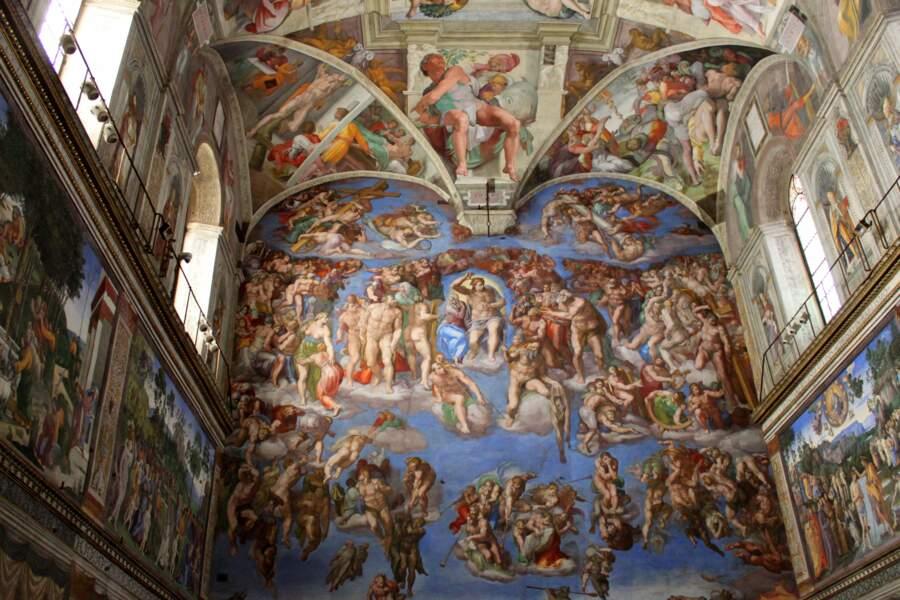
The Sistine Chapel
The Sistine Chapel is part of the Vatican Museums. It was built in the 15th century and owes its name to Pope Sixtus IV who had it built. It is best known for its impressive frescoes painted by the greatest artists of the Renaissance, such as Botticelli and Michelangelo. They represent biblical scenes, including the "Last Judgement" and the famous "Creation of Adam". It is therefore a religious, but eminently artistic place that dazzles at every turn.
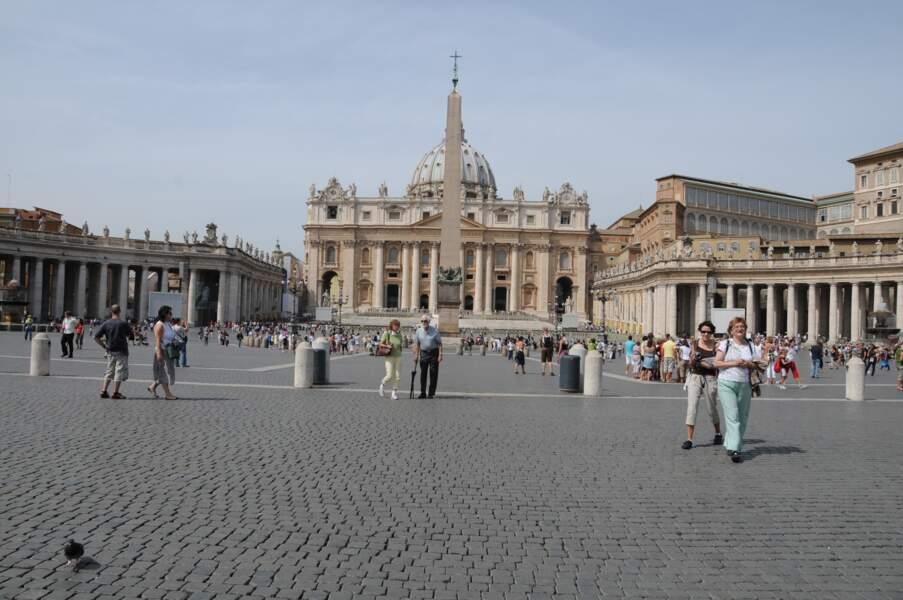
Piazza San Pietro
In the Vatican, it is impossible to miss the Piazza San Pietro, or St Peter's Square: it is the square in front of St Peter's Basilica, where crowds come to listen to the Pope during religious festivals. It is elliptical in shape and Baroque in style, with huge columns and statues, as well as two fountains built in the 17th century by Carlo Maderno and Carlo Fontana, and an imposing Egyptian obelisk.

Castel San Angelo
It was Emperor Hadrian who decided to build the Castel San Angelo, or St. Angelo Castle, to house his ashes and those of his successors. For a long time this building was used as a prison. Today, it has become a museum of paintings dating from the 15th and 16th centuries, with beautiful Renaissance frescoes. Marble and mosaics decorate the entrances to the flats of the popes, whose palace Castel San Angelo was for many years.

Piazza di Spagna
Piazza di Spagna, or Spanish Steps, is one of the most popular squares for tourists: in the historic centre of Rome, it is close to many luxury shops, but also to the Trevi Fountain. It offers a view between the Barcaccia Fountain and the Church of the Trinità dei Monti, whose staircase is covered with azaleas in spring. It owes its name to the Spanish Embassy, which was established at number 63 in the 17th century.

The Villa Borghese
For relaxation or picnics, the Villa Borghese is an ideal park: 80 hectares in size, with ponds, fountains and flowery alleys offering pleasant strolls, right up to a view of St Peter's Basilica. Its name comes from the wealthy and noble Borghese family, for whom this park was originally the garden of their villa. It is a popular place for cyclists and skaters, but also for history buffs thanks to the museums located here.

Trastevere
A walk through Rome also means falling under the picturesque charm of the typical Trastevere district, whose name means "beyond the Tiber". Lined with small shops and trattorias, its streets invite you to stroll. They are colourful, small and winding, and go up and down along the hills. There are no great monuments to admire, but the Piazza Santa Maria in Trastevere is worth a look: a few steps, a church, a fountain, and the charm is on.

The Roman Forum
The Roman Forum is the largest archaeological site in Rome. In ancient Rome, it was the place where the Romans met to discuss trade and politics, but also for weddings, games and gladiatorial fights. Archaeologists have uncovered the ruins of monuments built in different periods: in other words, it is the history of Rome summed up in one place.

The Capitol
Rome is built on 7 hills, the best known of which is the Capitol. Although it is the smallest, it is the political and religious centre of the Italian capital. At the top of the hill, the Capitoline Square is a beautiful place: it was designed by Michelangelo and is surrounded by 3 palaces whose facades he also designed. The central palace is the City Hall, while the other two are the Capitoline Museums.